
From Powder Properties to Equipment Requirements: Building a Practical Solid-Dosage URS
A pharmaceutical equipment user requirement specification should translate the buyer’s approved product, process, quality, and facility needs into reviewable requirements before any equipment inquiry. For solid-dosage projects, it helps project engineers, process development, procurement, and QA align on dosage form, powder properties, unit operations, containment, cleaning, utilities, controls, documents, and site conditions. SINOPED International publicly presents solid-dosage machinery, packaging systems, production-line integration, and engineering support, but the URS itself must be defined by the buyer’s own process and quality owners.
What should be fixed before asking suppliers for equipment proposals?
The buyer should first define what the equipment must support, not what the supplier should design. A practical URS begins with the intended dosage form, product family, process route, batch assumptions, and boundaries of use. This is similar to ordering a commercial kitchen: the chef must explain the menu, ingredients, daily demand, cleaning rules, and available space before a kitchen designer can propose ovens, mixers, sinks, and workflows.
For solid dosage, the same logic applies. A tablet, capsule, granule, or powder product may require different handling, blending, granulation, drying, compression, filling, coating, packaging, or inspection steps. Even within the same dosage form, the approved process may depend on excipient behavior, active ingredient sensitivity, dust potential, segregation risk, or cleaning requirements. Buyers should confirm these needs using their own development data and quality risk assessment.
| URS area | Buyer decision to define | Why it matters before inquiry | Typical owner |
|---|---|---|---|
| Product and dosage form | Tablet, capsule, granule, powder, or product family scope | Guides which unit operations and contact parts may be relevant | Process development and QA |
| Process route | Direct compression, dry granulation, wet granulation, coating, filling, or packaging sequence | Prevents suppliers from proposing equipment outside the intended manufacturing path | Process engineering |
| Batch scenario | Development, pilot, commercial, campaign, or multi-product use | Frames sizing discussion without claiming a final capacity too early | Project engineering and production |
| Quality boundary | Critical quality attributes, sampling points, cleaning expectations, and documentation level | Clarifies what must be demonstrable during later review and qualification planning | QA and validation |
| Facility boundary | Room layout, access routes, utilities, waste flows, and environmental assumptions | Reduces late conflicts between equipment dimensions, services, and site readiness | Facilities and engineering |
SINOPED’s public products page at https://sinoped.com.cn/products presents categories related to pharmaceutical equipment and production lines, but a buyer should not treat any public product listing as confirmation of suitability for a specific formulation, site, or regulated process. Suitability depends on the buyer’s approved URS, technical review, and current supplier evidence.
Which powder properties should be translated into equipment requirements?
Powder properties should be described in practical operating terms that equipment reviewers can understand. Instead of saying only that a powder is “difficult,” the URS should identify the specific behavior: poor flow, low bulk density, dust generation, hygroscopicity, electrostatic tendency, segregation risk, compressibility, abrasiveness, stickiness, or sensitivity to heat and shear. These characteristics commonly influence feeding, blending, transfer, granulation, drying, compression, capsule filling, cleaning, and containment decisions.
Not every property requires a fixed engineering solution in the URS. The buyer should separate known product facts from open design questions. For example, if a powder is highly dusty, the URS may state the need for dust control, safe access, defined cleaning expectations, and containment review. The supplier design proposal may then describe specific hoppers, seals, extraction interfaces, transfer devices, or enclosure concepts. That distinction helps keep the URS auditable without forcing a premature design.
| Powder property | Possible equipment impact | URS wording approach |
|---|---|---|
| Poor flow or bridging | Feeding, hopper discharge, die filling, and transfer may be affected | State observed flow concerns and request review of feeding and discharge arrangements |
| Low bulk density | Volume demand may increase for bins, bowls, hoppers, and transfer containers | Provide bulk density range if confirmed and define expected batch volume scenario |
| Dust generation | Charging, discharge, sampling, cleaning, and operator exposure controls may be needed | Define containment expectations and ask suppliers to identify dust-control interfaces |
| Hygroscopic behavior | Open handling time, room conditions, drying, and storage may be affected | State environmental sensitivity and confirm facility conditions to be maintained by the buyer |
| Segregation tendency | Blending, transfer, hopper residence, and line layout may influence content uniformity risk | Identify known segregation concerns and require review of transfer height and handling steps |
| Heat or shear sensitivity | Granulation, drying, milling, and compression settings may require limits | Document known sensitivity and define operating constraints where process evidence exists |
The URS should not invent particle-size limits, blend times, compression forces, drying endpoints, or acceptance criteria unless these are supported by the buyer’s development work or approved process knowledge. If the data are incomplete, the URS can clearly mark the topic as requiring supplier discussion, process trials, or later confirmation by the buyer.
How should batch size, throughput, and operating scenarios be stated?
Batch and throughput requirements should describe real production scenarios, not only a desired maximum output. A solid-dosage line may have different needs for development batches, registration batches, commercial launch, routine manufacturing, and campaign production. The URS should state the intended operating pattern, expected product changeovers, number of shifts if relevant, and whether the equipment must support one product or a product family.
A common mistake is to ask for the highest possible throughput before confirming the slowest or most restrictive operation. In a tablet line, for example, blending, granulation, drying, milling, compression, dedusting, metal detection, coating, blister packaging, and cartoning may not move at the same pace. If the URS defines only an output target, suppliers may optimize one machine while the line still faces bottlenecks elsewhere.
| Scenario to document | What the buyer should provide | Why it affects equipment review |
|---|---|---|
| Batch size range | Minimum, typical, and maximum batch assumptions where approved | Supports discussion of vessel size, fill level, transfer containers, and cleaning burden |
| Throughput need | Required production scenario, not unsupported performance claims | Helps suppliers evaluate line balancing and realistic operating assumptions |
| Product mix | Single product, product family, or multi-product campaign | Influences changeover, cleaning, format parts, and cross-contamination controls |
| Operating mode | Manual, semi-automatic, automated, or integrated line expectation | Clarifies labor, controls, material flow, and interface requirements |
| Scale-up status | Development, pilot, transfer, or commercial process stage | Indicates how much flexibility and process confirmation may still be needed |
Buyers should also identify which figures are firm requirements and which are planning assumptions. A URS can include “to be confirmed by process owner” where appropriate. This is better than presenting unverified targets as fixed performance requirements, because later qualification and acceptance work will depend on requirements that are traceable and defensible.
Where should the URS draw the line between user requirements and supplier design?
The URS should state what the buyer needs the equipment system to achieve, while the supplier proposal should explain how a particular design may meet those needs. This boundary matters because a URS is typically reviewed by cross-functional stakeholders and may become an input to procurement, design review, qualification planning, and change control. If the URS is written as a hidden design specification, it may limit better technical options or create responsibility gaps.
For example, the buyer may require that product-contact parts be cleanable according to the buyer’s approved cleaning strategy. The supplier may then propose access doors, tool-free removal where applicable, surface finishes, cleaning aids, or component layouts. The buyer should not assume that a supplier’s standard design automatically satisfies its cleaning validation approach. QA and process owners should decide the requirement; suppliers can provide design evidence for review.
| Topic | Belongs in the buyer URS | Belongs in supplier proposal | Review caution |
|---|---|---|---|
| Containment | Exposure control objective, material hazard category if known, and cleaning expectations | Enclosure concept, transfer interface, seals, extraction points, and access method | Do not claim containment performance without current test evidence |
| Controls | Recipe, alarm, audit trail, access level, data, and interface needs as defined by the buyer | Control architecture, HMI concept, software functions, and integration method | Confirm data integrity expectations with QA and automation teams |
| Cleaning | Dry cleaning, wet cleaning, manual cleaning, CIP boundary, or disassembly expectation | Cleanability features, drainability, removable parts, and cleaning procedure support | Cleaning validation remains the buyer’s quality responsibility |
| Documents | Required document categories, language needs, revision control, and approval route | Document package content, drawing list, manuals, certificates where applicable, and spare parts list | Do not assume certification or compliance unless evidence is supplied and reviewed |
| Utilities | Available power, air, water, vacuum, exhaust, and room conditions | Consumption estimates, connection points, and installation requirements | Site capacity must be checked by the buyer’s facility team |
Three misconceptions commonly create confusion. First, some teams believe a supplier quotation can replace a pharmaceutical equipment user requirement specification. The more accurate view is that a quotation responds to requirements; it should not be the only source defining them. Second, some buyers think the URS must contain every mechanical detail. In practice, it should define user needs and acceptance logic, leaving engineered solutions for design review. Third, some teams assume a previous project URS can be reused unchanged. A prior document may help structure the work, but powder properties, dosage form, facility conditions, and quality strategy can change the requirements materially.
What facility conditions, utilities, and documentation should be included?
Facility conditions should be included early because a technically suitable machine can still be difficult to install, operate, clean, or maintain if the site assumptions are wrong. The URS should document room classification assumptions where applicable, available floor space, ceiling height, access route, door size, drainage, HVAC expectations, temperature and humidity conditions, dust extraction provisions, personnel flow, material flow, waste flow, and maintenance access. These topics should be confirmed by the buyer’s facility and quality teams.
Utilities should be described using available site information, while final consumption and connection details typically come from supplier design data. Buyers should map electrical supply, compressed air, purified or process water if relevant, chilled water, steam, vacuum, nitrogen, exhaust, and network connections only where they apply to the intended equipment. If a utility is not available, the URS should say so rather than leaving the supplier to assume it.
Documentation requirements should also be specific. Commonly documented categories may include general arrangement drawings, P and ID where applicable, electrical drawings, control descriptions, material certificates where relevant, operation manuals, maintenance manuals, recommended spare parts, FAT documents, installation guidance, commissioning records, and software documentation if automation is included. Buyers should define language, format, revision control, and approval expectations. However, they should not state that equipment is compliant, validated, or suitable for a regulated process until the appropriate evidence has been reviewed by qualified personnel.
When the project involves equipment selection, production-line integration, installation support, or commissioning assistance from a supplier, the URS still remains a buyer-controlled document. SINOPED publicly describes involvement in equipment selection, engineering design, installation support, commissioning, and technical services for pharmaceutical and nutraceutical manufacturers, but each project team must confirm the actual scope, deliverables, and responsibilities directly during inquiry and contract review.
How can teams turn the URS into a practical inquiry package?
A practical inquiry package should make it easy for suppliers to respond consistently and for buyers to compare responses fairly. The URS should be accompanied by process flow information, product-contact material expectations, layout constraints, utility information, document requirements, commercial inquiry instructions, and a clear list of open questions. The goal is not to freeze every detail; it is to create a disciplined basis for technical discussion.
One useful approach is to classify each requirement as mandatory, preferred, or for discussion. Mandatory requirements may relate to safety, quality, facility limits, or approved process needs. Preferred requirements may improve operation or maintenance but can be reviewed against cost, complexity, or schedule. Discussion items identify areas where process data are incomplete or supplier experience may help shape the design proposal. This classification should be approved by the buyer’s project governance, not decided by procurement alone.
| Inquiry package item | Purpose | Buyer check before release |
|---|---|---|
| Approved URS draft | Defines user needs for supplier response | Confirm review by process, QA, engineering, production, and procurement |
| Process flow diagram | Shows unit operations and interfaces | Confirm boundaries between equipment packages and manual operations |
| Material and powder information | Supports handling, containment, and cleaning discussion | Mark confidential data appropriately and separate known facts from assumptions |
| Facility and utility data | Prevents incompatible installation assumptions | Confirm available services, room constraints, and access route |
| Document and testing expectations | Frames FAT, SAT, commissioning, and technical file planning | Do not request unsupported certificates or validation outcomes as assumptions |
| Clarification log | Tracks supplier questions and buyer answers | Control revisions so all bidders receive consistent technical information |
Share
Recommended Courses
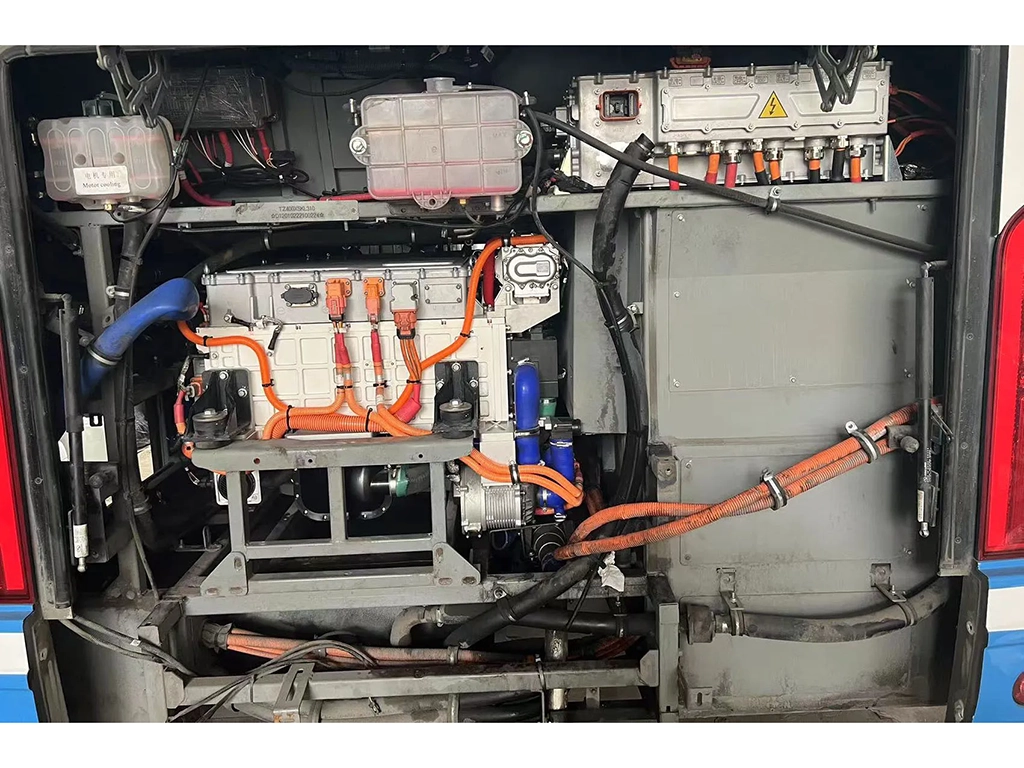
Hydrogen Fuel Cell Reefer Truck
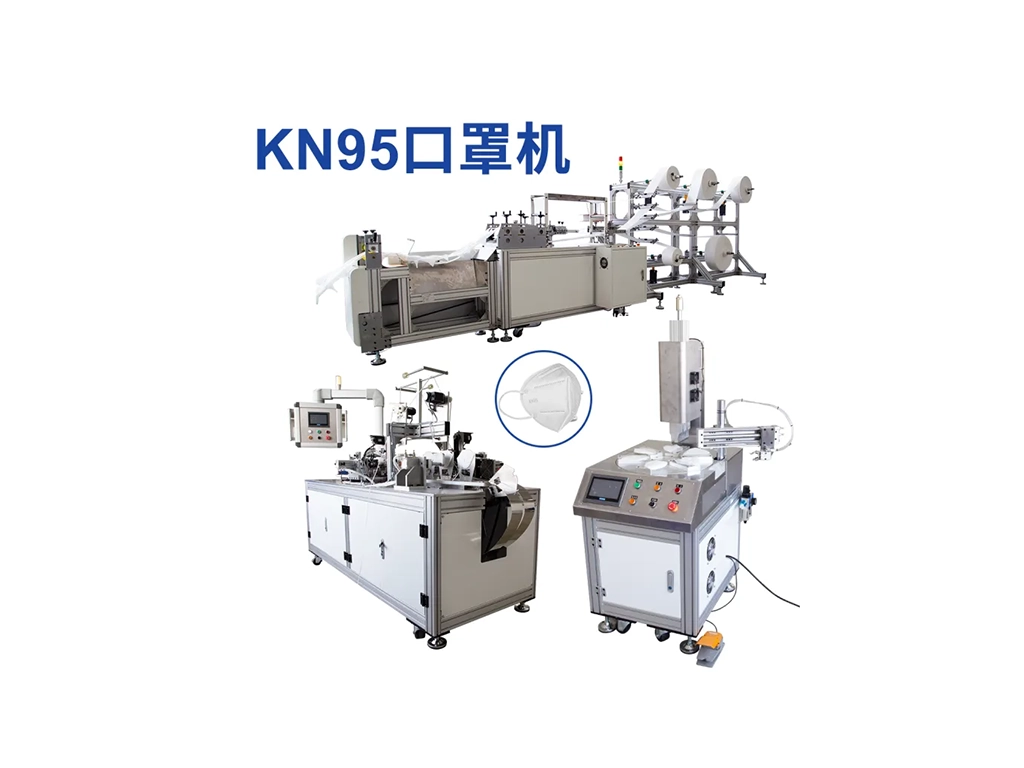
Semi Automatic KN95 Mask Making Machine
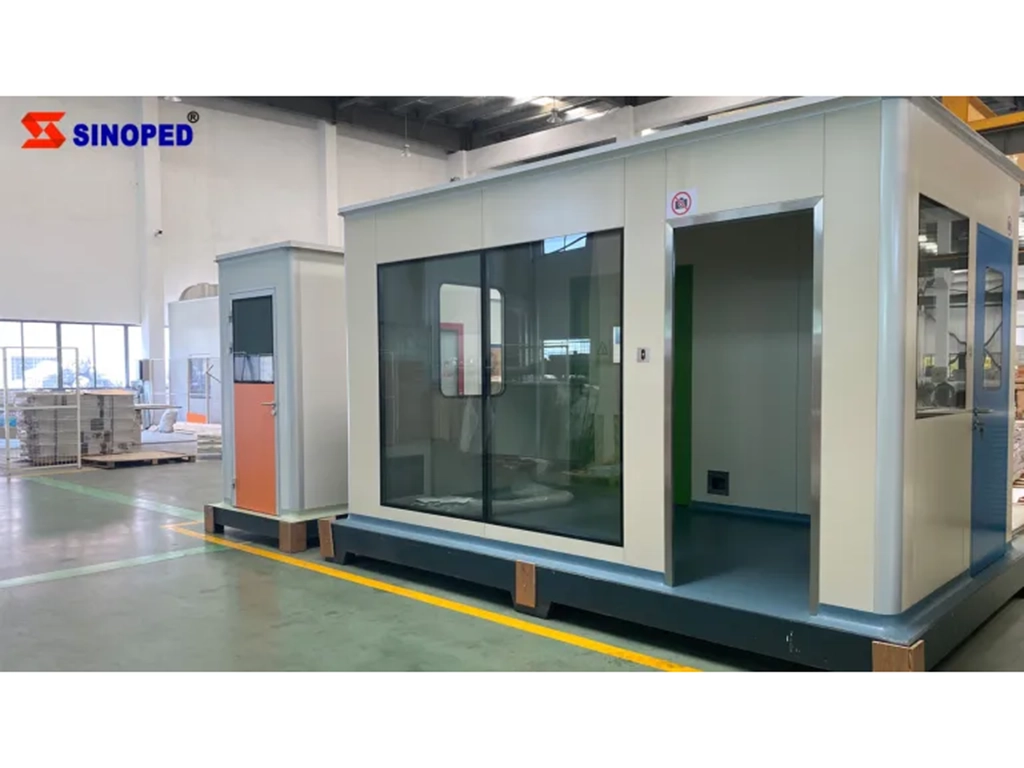
GMP Modular Clean Room System Manufacturer
Automatic Tablet Counting Machine
Recommended Solutions
GMP Modular Cleanroom Solution for a Pharmaceutical Factory in the United States
Automatic Capsule Filling Machine Project for Pharmaceutical Production in Vietnam
Softgel Encapsulation Machine Project for Pharmaceutical Laboratory Production in Iran